
How Leaders Navigate Uncertainty and Come Out Stronger
The four-stage cycle that transforms crisis into competitive advantage
The North American rail industry has never faced more simultaneous pressures. Federal tariffs and mandates, regulators requiring training updates and technology upgrades, supply chain disruptions, labor negotiations that could shut down networks, activist investors challenging financial returns, and new environmental regulations that reshape operations overnight.
For rail executives, the question isn’t whether you’ll face your next crisis. It’s whether you’ll be ready to lead through it when it arrives.
After studying more than 100 organizational transformations, including dozens within rail operations and heavy industry, I’ve identified a pattern among leaders who don’t just survive uncertainty—they transform it into competitive advantage. They follow a four-stage cycle that turns crisis into opportunity.
Stage One: Heighten Awareness
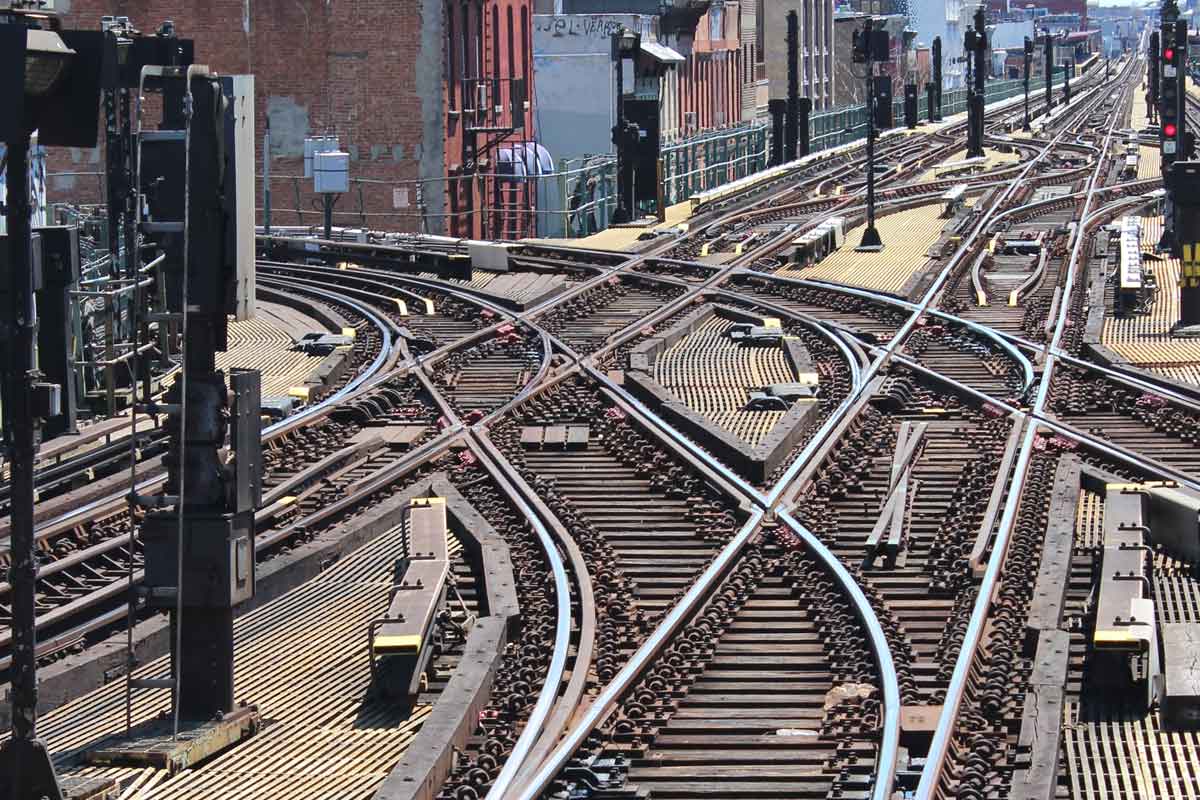
Heightening awareness starts with listening to frontline teams
When new federal safety regulations hit Louisa Martinez’s freight network (all names changed to maintain corporate privacy requirements), requiring complete signaling system overhauls across 15,000 miles of track, her first instinct wasn’t to call an emergency planning session. Instead, she spent three days in the field, asking track supervisors, signal maintainers and yard workers one question: “What are you seeing about this challenge that I’m not?”
What she discovered changed everything. While corporate was panicking about compliance costs, frontline crews were identifying track segments where new technology could improve efficiency beyond regulatory requirements. They saw opportunities to consolidate maintenance windows and reduce delays that had plagued certain corridors for years.
The lesson: Your track-level employees see realities that boardroom discussions miss. Before you plan your response to any crisis, collect intelligence from those closest to the operations. They often hold the keys to solutions that pure compliance thinking overlooks.
Stage Two: Increase Clarity
Rail operations demand precision, but uncertainty demands flexibility. The challenge is creating clarity that enables both.
Louisa didn’t try to plan every detail of her massive transformation. Instead, she established three “Safety-First Decision Anchors” that every team could use:
- If it compromises safety, we don’t do it—period.
- We share knowledge across all divisions immediately.
- We test small, learn fast, and scale what works.
These anchors meant that when crews encountered unexpected conditions during installations, they could make quick decisions without waiting for corporate approval. A signal maintainer in Kansas could immediately share a solution with teams in Montana, Montreal or Monterrey. Pilot programs could prove concepts before system-wide rollouts.
Stage Three: Build Alignment

Alignment happens when people share a mission bigger than themselves
Here’s where most rail transformations fail. You have a clear plan, but you still have multiple stakeholder groups pulling in different directions.
Consider James Chen, who led the operational integration of two major rail networks after an acquisition. These systems had been competitors for decades, with different safety protocols, equipment standards and operational philosophies. The potential for safety incidents during integration was enormous.
Instead of imposing one system on the other, James brought safety teams from both networks together with a single challenge: design the safest rail operation in North America using the best practices from both systems.
Within eight weeks, crews stopped identifying as “Company A” or “Company B” and started identifying as the team setting new industry safety standards. They weren’t just merging railroads—they were building something neither could achieve alone.
Stage Four: Drive Momentum
Momentum in rail operations isn’t about speed. It’s about sustained progress in the right direction. After achieving early wins, the strongest rail leaders understand a crucial insight: Success in one area reveals new challenges in others.
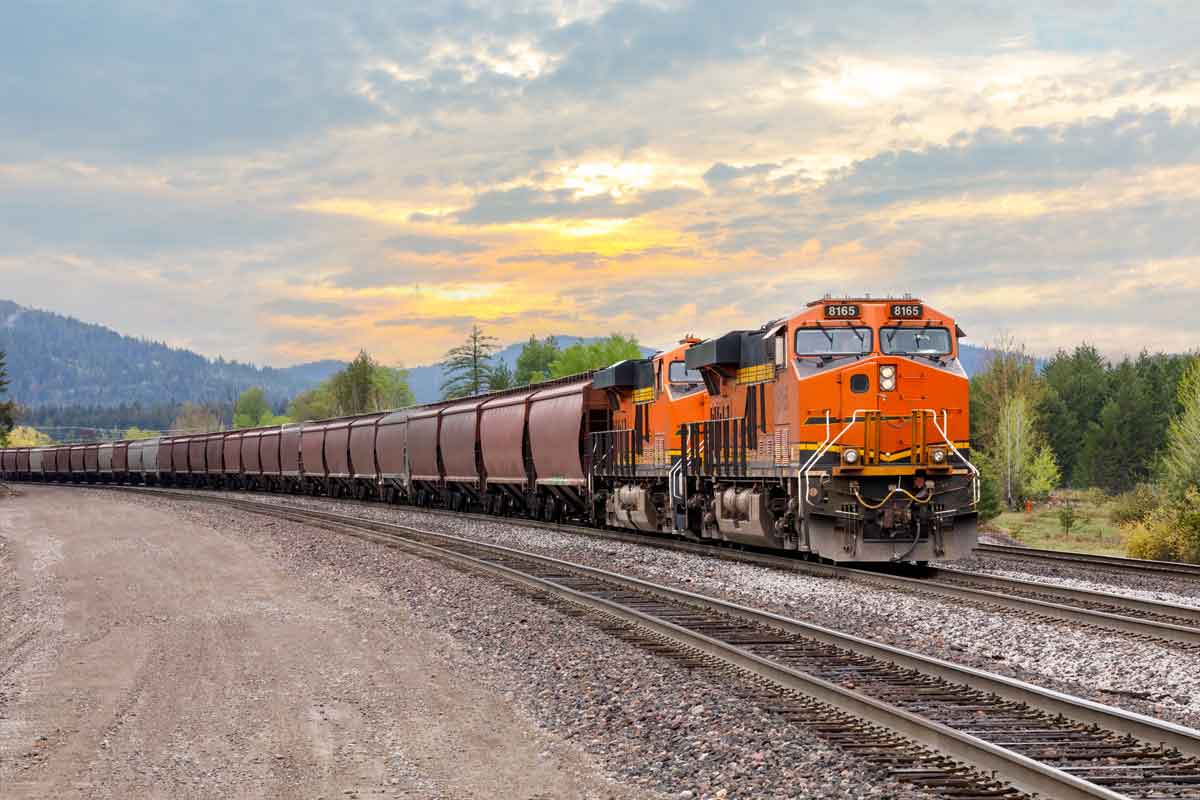
Sustained momentum builds through continuous cycles of learning and improvement
As Louisa’s safety transformation succeeded, she started noticing other pressures that had been masked by the original crisis. Supply chain issues affecting equipment deliveries. Labor negotiations heating up. Environmental regulations requiring new operational procedures. Each success gave her the credibility and organizational confidence to tackle the next challenge.
This is the hidden truth about leading through uncertainty: The four stages—Heighten Awareness, Increase Clarity, Build Alignment, Drive Momentum—form a continuous cycle. Your success in addressing one challenge gives you the visibility and capability to see the next one coming.
The Rail Reality
Our industry operates in an environment where a single decision can affect thousands of miles of track, hundreds of communities and millions of tons of cargo. We can’t afford to wait for perfect information or ideal conditions.
The rail leaders who thrive in this environment understand that uncertainty isn’t something to eliminate. It’s something to navigate systematically. They use these four stages not once, but continuously, as each challenge reveals new opportunities for operational excellence.
The next time you face a crisis—and in rail, there’s always a next time—remember: You don’t need all the answers. You need to know which questions to ask first, and of whom to ask them.
Your track crews are waiting to tell you what they see. Are you ready to listen?

Ready to Transform Your Leadership Approach?
Join rail leaders who are turning crisis into competitive advantage
Take the Pulse Check Assessment Schedule a Consultation